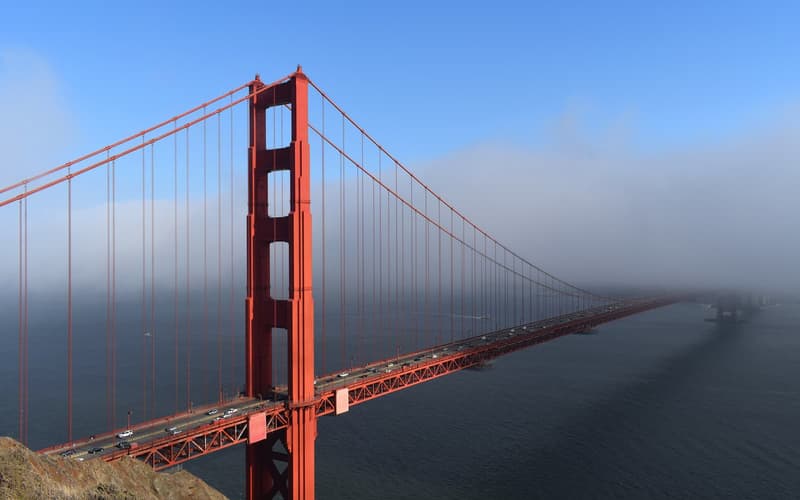
 San Francisco & Northern California
San Francisco
A compact city of steep hills, cable cars and fog — with the Golden Gate Bridge at one end and Alcatraz in the middle of the bay.
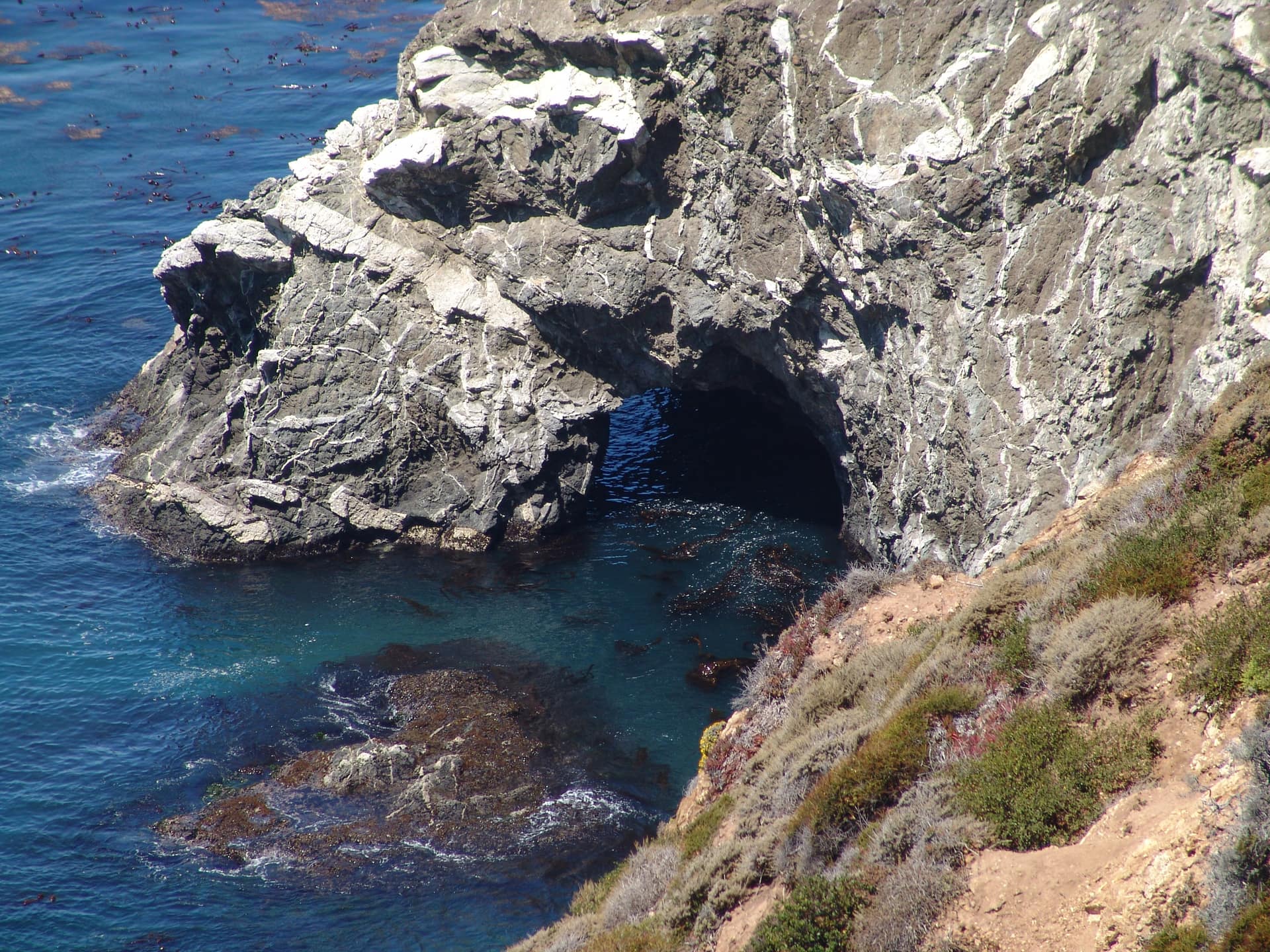
Twelve destinations, one coast road, nine national parks and more microclimates than most countries. Here is how to fit the Golden State into the time you actually have.
California runs about 1,250 km (roughly 770 miles) from the redwood forests on the Oregon border to the Mexican frontier at San Diego. In between are two of America’s great cities, the granite walls of Yosemite, the lowest and hottest place in North America, the world’s largest trees, a wine region known on every continent and one of the most celebrated coastal drives anywhere.
That variety is the reason to come and also the trap. Distances are long, summer fog can make San Francisco colder than the mountains, key roads close for snow or landslides, and the most popular sights — Alcatraz, Yosemite in summer, the theme parks — reward people who book ahead. This site is built around those realities: each destination has its own mini-guide, and the region pages tell you how to string them together.
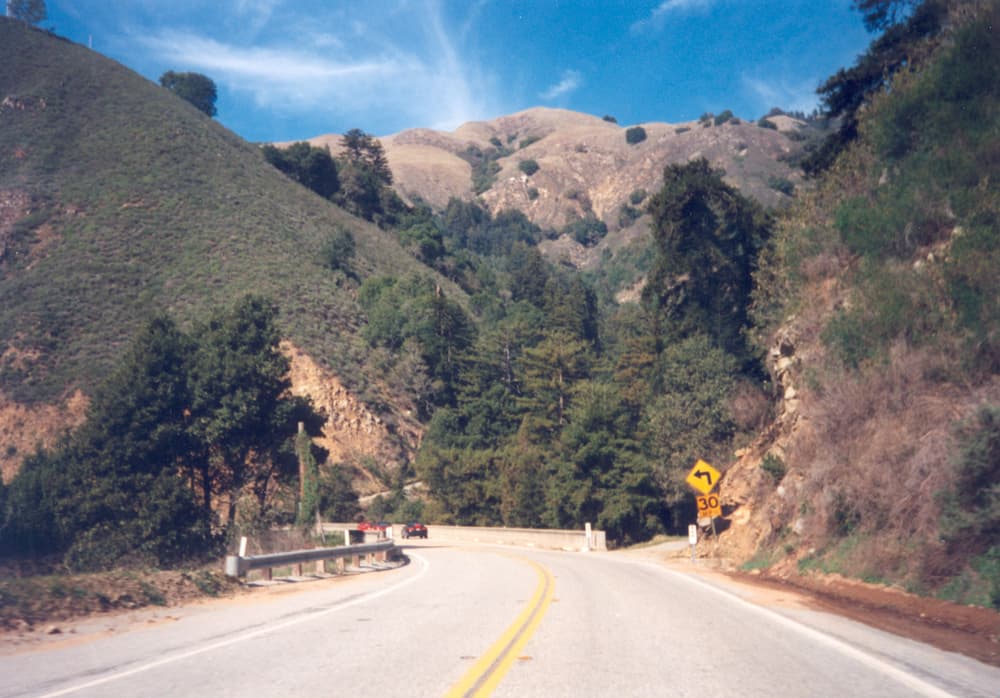
Each guide has its own tours and tickets, things to see, getting there, travel guide and when-to-go pages.
San Francisco & Northern California A compact city of steep hills, cable cars and fog — with the Golden Gate Bridge at one end and Alcatraz in the middle of the bay.
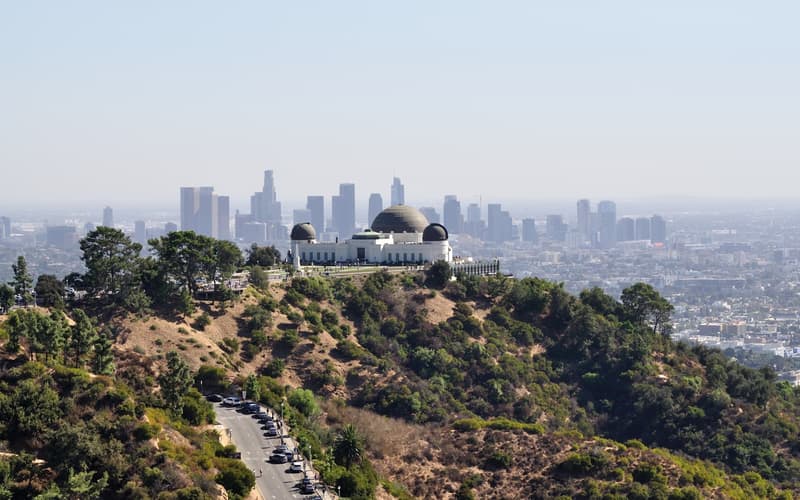 Southern California
Film studios, beach towns and hilltop views spread across a vast, sunny basin — a city you plan by neighbourhood, not by map.
 Southern California
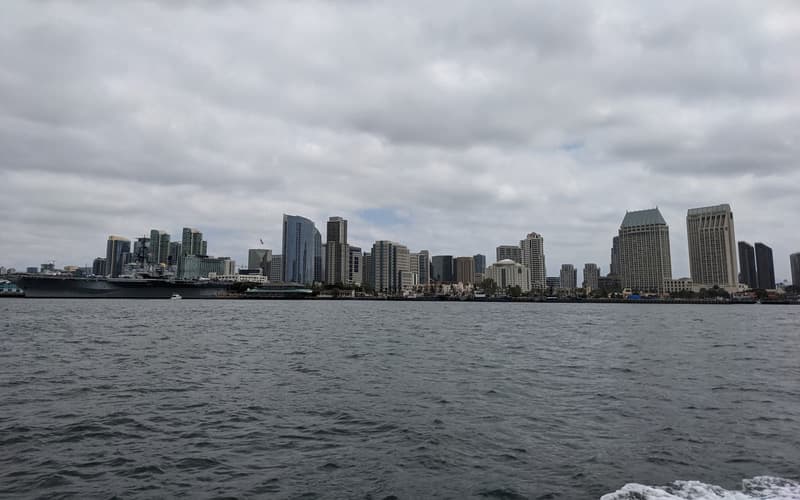
California’s easy-going southern city: a great urban park, a world-famous zoo, sea lions on the rocks and about 110 km of beaches.
 Sierra Nevada & national parks
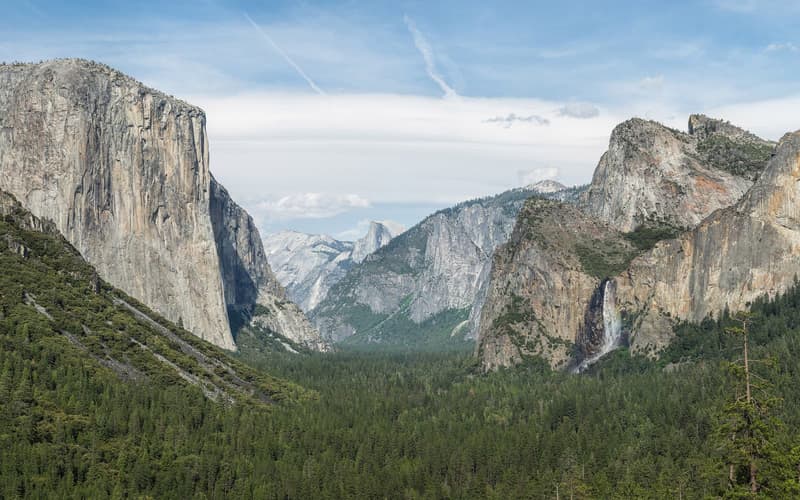
Granite cliffs a kilometre high, some of the tallest waterfalls in North America and groves of giant sequoias — the Sierra Nevada at its grandest.
 San Francisco & Northern California
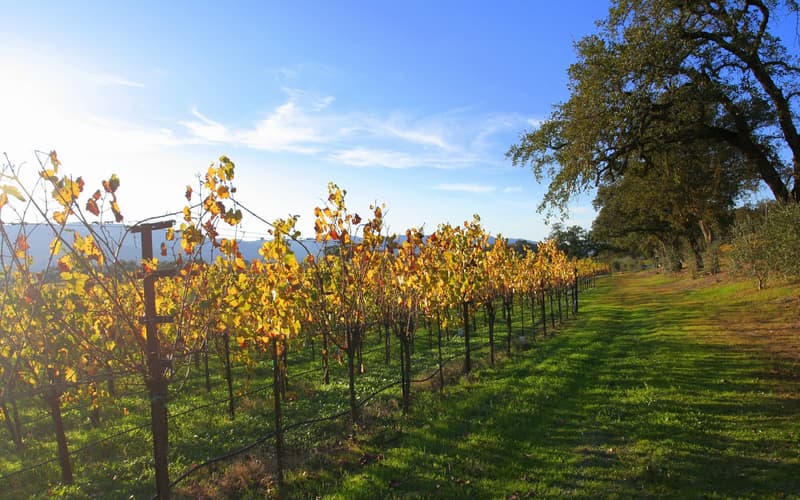
Two neighbouring valleys an hour north of San Francisco with several hundred wineries between them — one polished and famous, the other broader and more relaxed.
 Sierra Nevada & national parks
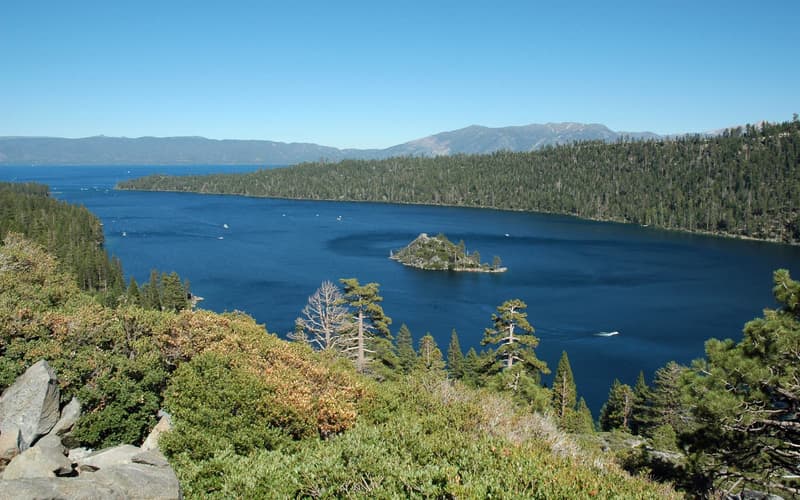
A deep, startlingly clear alpine lake ringed by peaks on the California–Nevada border: beaches and boats in summer, big ski resorts in winter.
 Central Coast
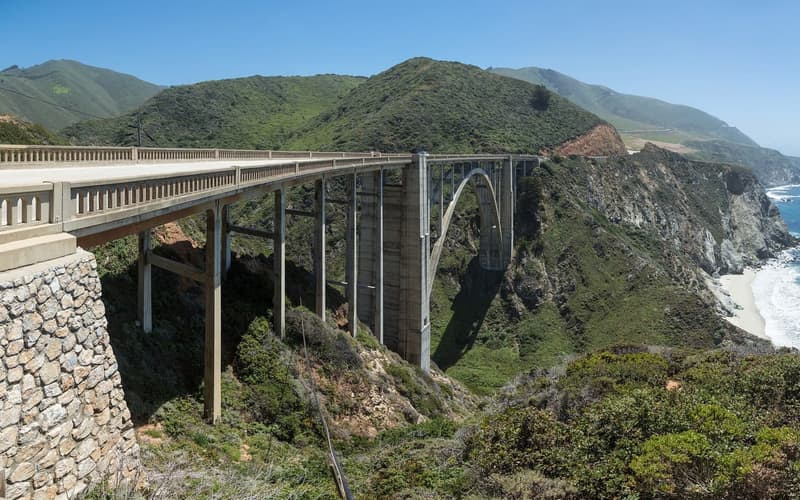
The most dramatic stretch of the California coast: Highway 1 clinging to the cliffs of Big Sur, with Monterey’s aquarium and Carmel’s cottages at its northern end.
 Central Coast
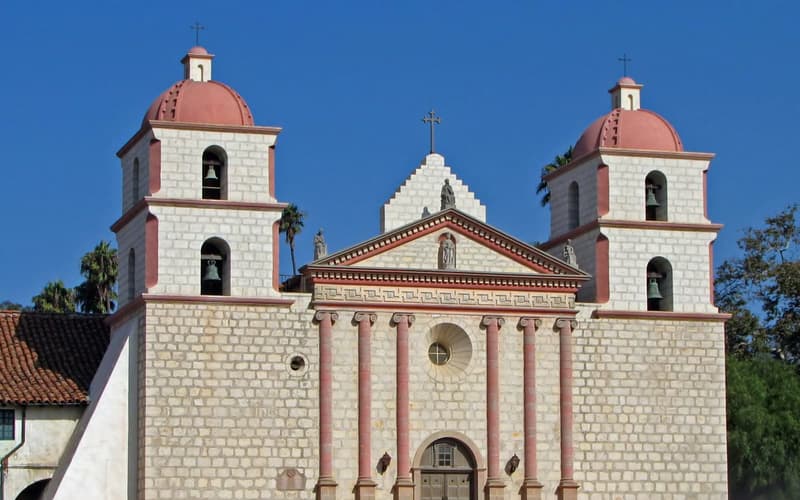
White walls, red-tile roofs and palm-lined beaches beneath the Santa Ynez Mountains — the “American Riviera”, with wine country just over the hill.
 Deserts
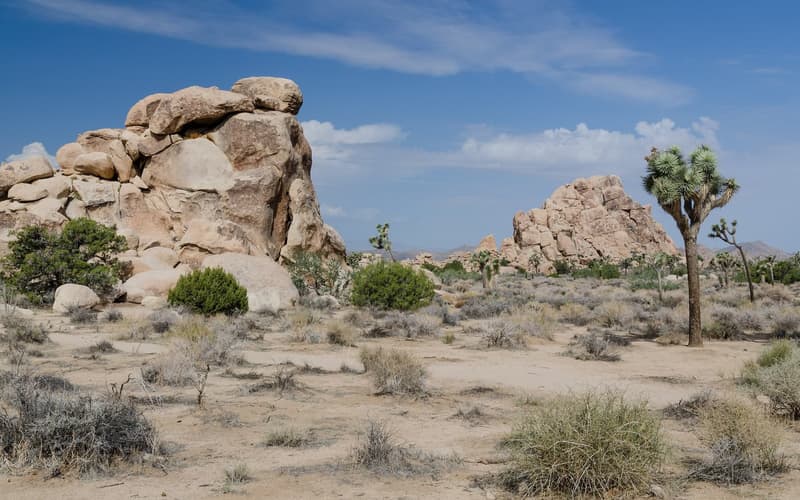
A mid-century desert resort beneath 3,000-metre peaks, and an hour away a national park of giant boulders and spiky Joshua trees.
 Deserts
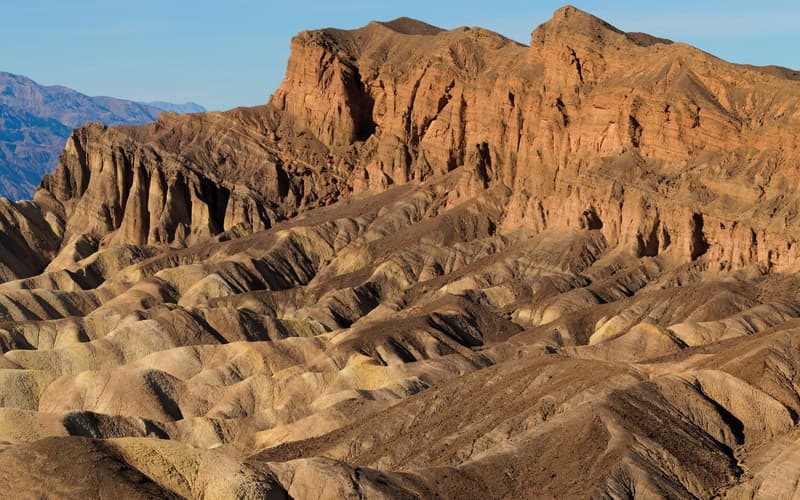
The hottest, driest and lowest place in North America — salt flats, sand dunes and painted badlands on a scale that is hard to take in.
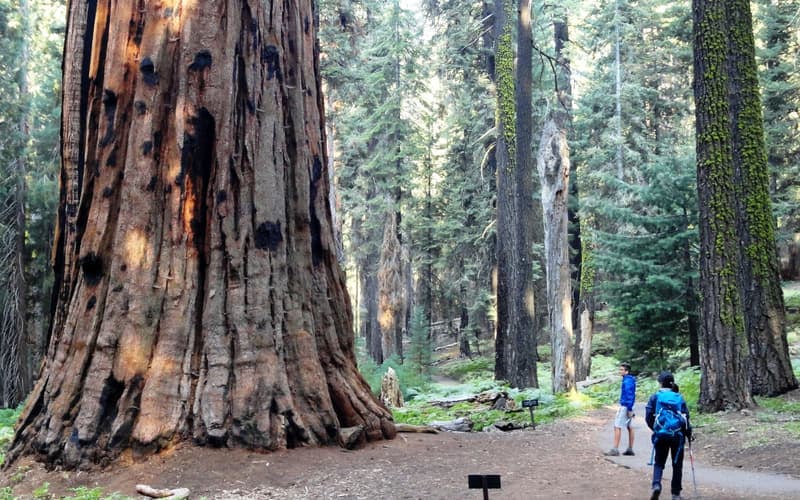 Sierra Nevada & national parks
Two adjoining national parks in the southern Sierra Nevada, home to the largest trees on Earth and one of the deepest canyons in North America.
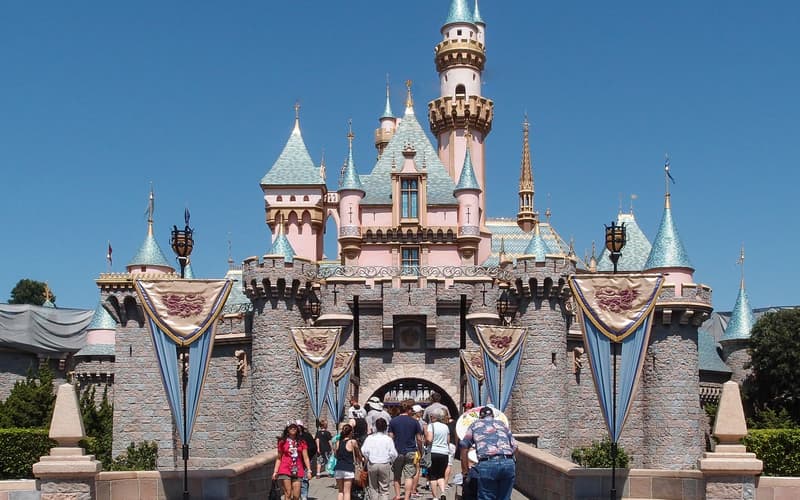 Southern California
The original Disney theme park, its newer neighbour and a second classic park down the road — with Orange County’s surf beaches 30 minutes away.
Walk or cycle the bridge, then take the ferry to the former island prison. Alcatraz tickets are limited — book as early as you can.
YosemiteEl Capitan, Half Dome and waterfalls that peak in May and June. Check the park’s current entry-reservation rules before you set off.
Big Sur & MontereyBixby Bridge, McWay Falls and sea otters at Monterey. Landslides close sections from time to time, so check the road status first.
Los AngelesStudio tours at Warner Bros. and Universal, the view from Griffith Observatory and sunset on the Santa Monica Pier.
Napa & SonomaNapa’s famous cabernets and Sonoma’s more relaxed back roads — best with a driver or on an organised tour.
San DiegoLa Jolla Cove’s sea lions are there year-round; grey whales pass in winter and blue whales in summer.
Sequoia & Kings CanyonThe General Sherman Tree and the Congress Trail in Sequoia’s Giant Forest make even tall people feel small.
Death ValleyZabriskie Point, the salt flats of Badwater Basin and night skies full of stars — a cool-season destination, not a summer one.
A quick comparison to help you choose where to spend your days.
| Region | Best for | Ideal time | Car needed? |
|---|---|---|---|
| San Francisco Bay Area & wine country | City sights, Alcatraz, food, wine tasting | September–October; April–May | Not in the city; useful for wine country |
| Sierra Nevada (Yosemite, Tahoe, Sequoia) | Waterfalls, hiking, giant trees, skiing | May–October for hiking; December–March for snow | Yes, or join a tour |
| Central Coast (Monterey, Big Sur, Santa Barbara) | Scenic driving, wildlife, small towns | April–October; September is clearest | Yes |
| Los Angeles, Orange County & San Diego | Beaches, studios, theme parks, museums | Year-round; March–May and September–November are easiest | Very helpful; possible without in central areas |
| Deserts (Palm Springs, Joshua Tree, Death Valley) | Landscapes, stargazing, winter sun | October–April | Yes |
A hand-picked selection from several destinations. Every link goes to a real, bookable GetYourGuide product.
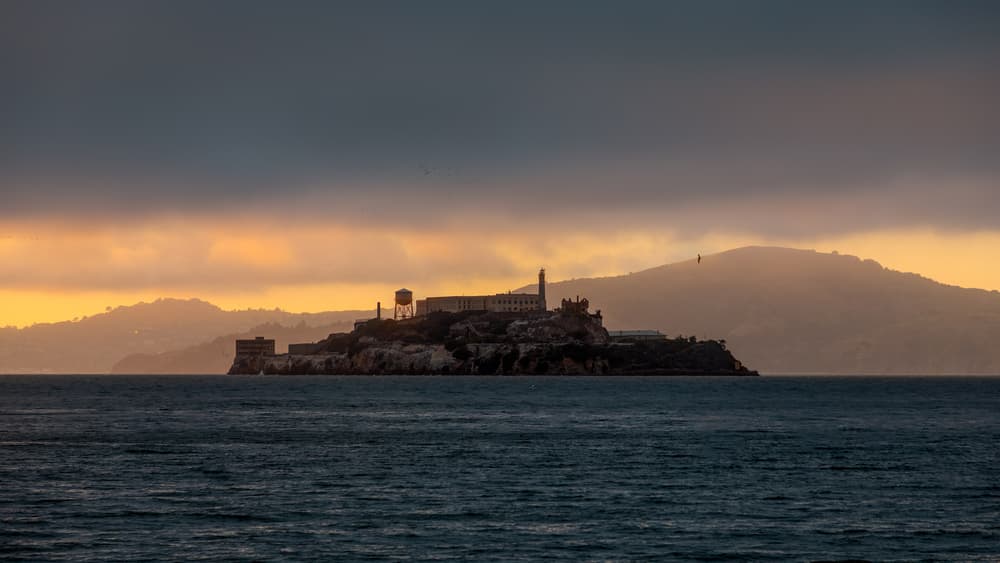 San Francisco from $77
Ferry to the island and the cell-house audio tour, bundled with an app-based city guide. The simplest way to secure an Alcatraz date.
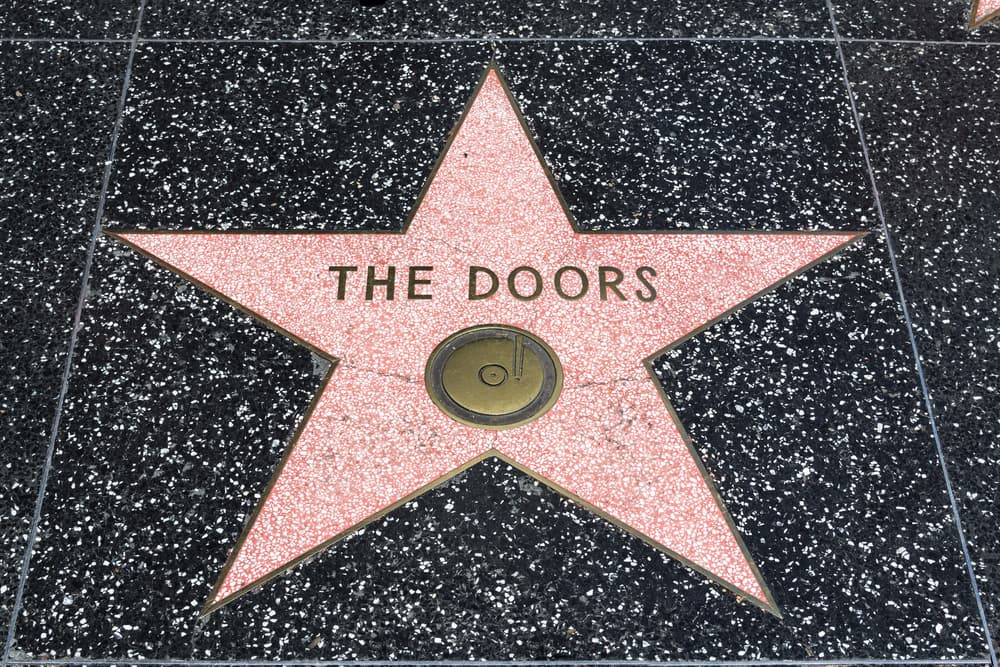 Los Angeles from $79
A guided look at a working studio — backlot streets, sound stages and sets and props from well-known films and series.
 Yosemite from $229
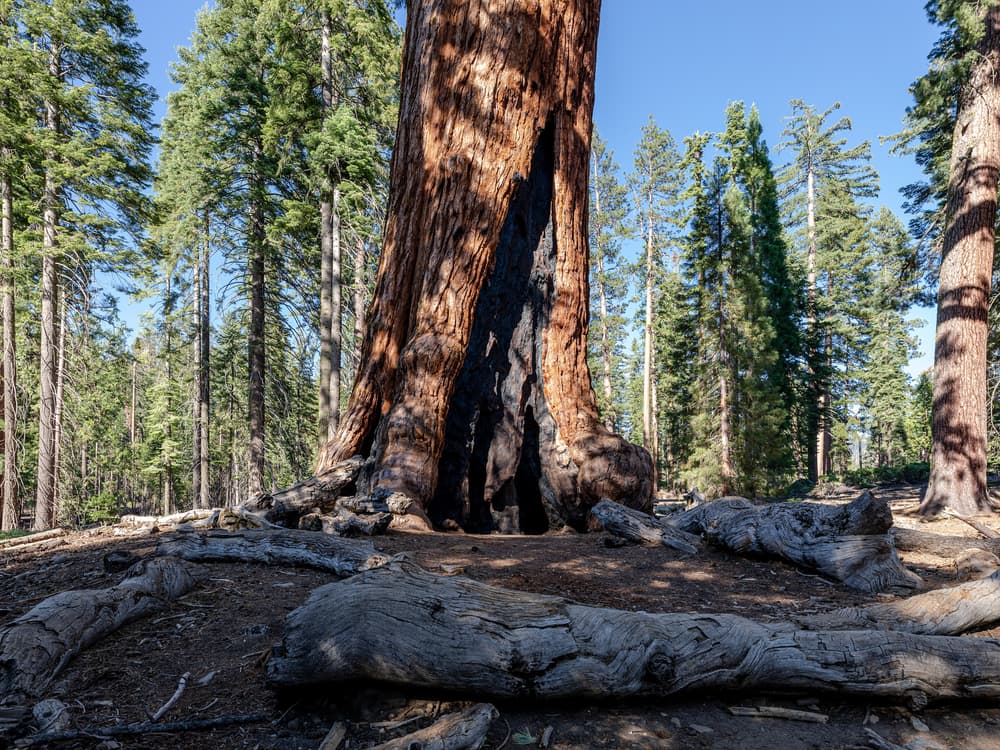
The highest-rated day trip from the city: valley highlights plus a walk among giant sequoias, with pick-up.
 San Diego from $39
Entry to the aircraft carrier moored downtown, with a self-guided audio tour and restored aircraft on the flight deck.
 Big Sur & Monterey from $75
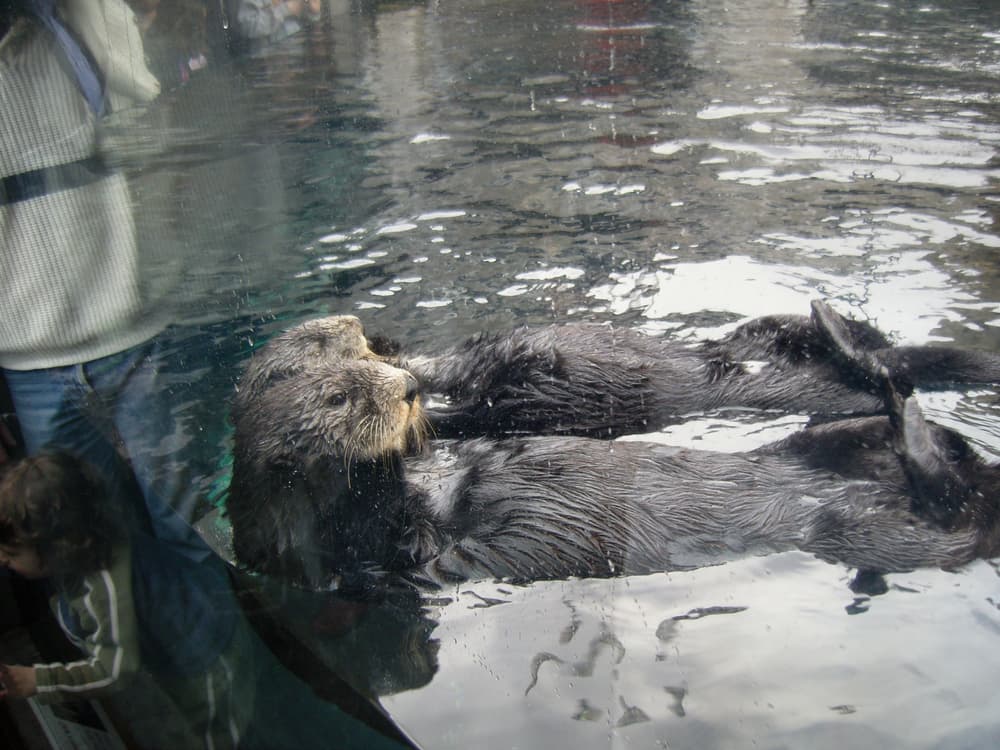
The area’s most-reviewed trip: a cruise from Fisherman’s Wharf to the edge of the submarine canyon with marine naturalists on board.
 Napa & Sonoma from $145
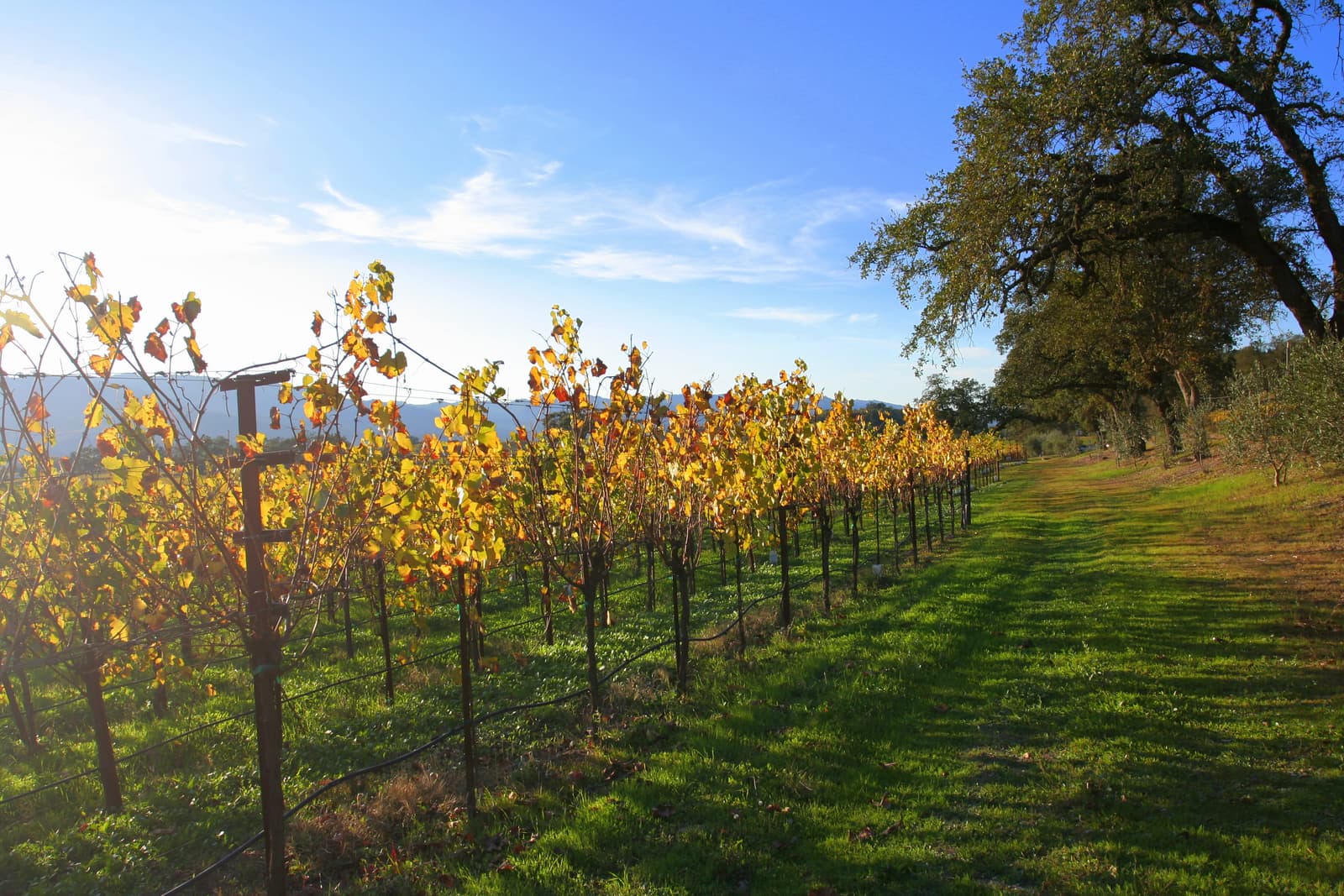
A replica cable-car trolley carries a small group between several Napa wineries, with a picnic-style lunch on the way.
Waterfalls at their fullest, desert wildflowers in good years, mild cities. Mountain roads such as Tioga Pass usually stay closed until late May or June.
Peak season for the mountains and coast. Expect fog on the coast (“June gloom”), heat inland, full car parks and the highest prices.
Often the best weather of the year on the coast and in San Francisco, grape harvest in wine country, thinner crowds. It is also peak wildfire season.
Skiing at Lake Tahoe and Mammoth, ideal desert temperatures, whale migration and low city prices. Rain in the north and snow closures in the Sierra.
Three realistic loops that we expand day by day on the itineraries page.
San Francisco, Monterey and Big Sur, Santa Barbara and Los Angeles — the Highway 1 trip in one week.
San Francisco, Yosemite, the Central Coast, Los Angeles and San Diego at a comfortable pace.
Adds Death Valley, Sequoia or Lake Tahoe and wine country for a full picture of the state.
We list a short selection of well-located hotels for each destination, with live rates on Trip.com.
Where to stay in CaliforniaTen to fourteen days lets you combine San Francisco, one mountain park, the coast and Los Angeles or San Diego without rushing. With one week, choose either the north (San Francisco, wine country, Yosemite) or the south (Los Angeles, San Diego, the deserts), or drive the coast between the two.
For most trips, yes. San Francisco works well without one and you can link the big coastal cities by train, but the national parks, Big Sur, wine country and the deserts are far easier with a car or on an organised tour. See getting there and around.
September and October are the most reliable all-round months: warm, clear weather on the coast and fewer crowds. Spring is best for waterfalls and wildflowers, winter for deserts and skiing. See when to go.
Alcatraz ferries, summer accommodation in and around Yosemite, any timed-entry or reservation the national parks require for your dates, theme-park tickets (which are date-specific) and rental cars for peak season. Popular tours also sell out on weekends.
Often, yes. Sea fog keeps the city cool in June, July and August, with daytime highs commonly around 16–20°C (low to high 60s °F) while places an hour inland are hot. Bring layers whatever the month.
Most visits are unaffected, but late summer and autumn fires can close roads and parks and bring smoky air. Check official fire and air-quality information for your route and keep plans flexible. See the travel guide.
Alcatraz ferries, Yosemite day trips, Hollywood studio tours and wine-country drivers are limited and sell out weeks ahead in summer. Compare the best California tours and reserve in a couple of taps.