California’s climate is Mediterranean on the coast, alpine in the Sierra Nevada and true desert in the south-east. On one day in July it can be 17°C (63°F) and foggy at the Golden Gate Bridge, 30°C (86°F) in Napa and over 45°C (113°F) in Death Valley. Planning by region matters more than planning by season.
As a rule of thumb: September and October are the best all-round months; April to June suits waterfalls, wildflowers and cities; July and August belong to the mountains and beaches; and November to March is the time for deserts, skiing and low prices in the cities.
Microclimates, “June gloom” and cold San Francisco summers
In late spring and early summer, cool ocean air forms a deck of low cloud along the coast. In Southern California it is known as “May gray” and “June gloom”: mornings on the beaches of Los Angeles and San Diego are often overcast, clearing by afternoon — or not at all right at the water. A few kilometres inland the sun is out.
San Francisco takes this further. Fog pours through the Golden Gate on summer afternoons and keeps the city cool; July and August are frequently colder than October. The warmest, clearest weather in the city usually comes in September and early October.
Elevation does the rest. Yosemite Valley sits at about 1,200 m (4,000 ft) and Lake Tahoe at around 1,900 m (6,200 ft), so nights are cold even in midsummer, and snow closes the high roads for half the year.
The four seasons
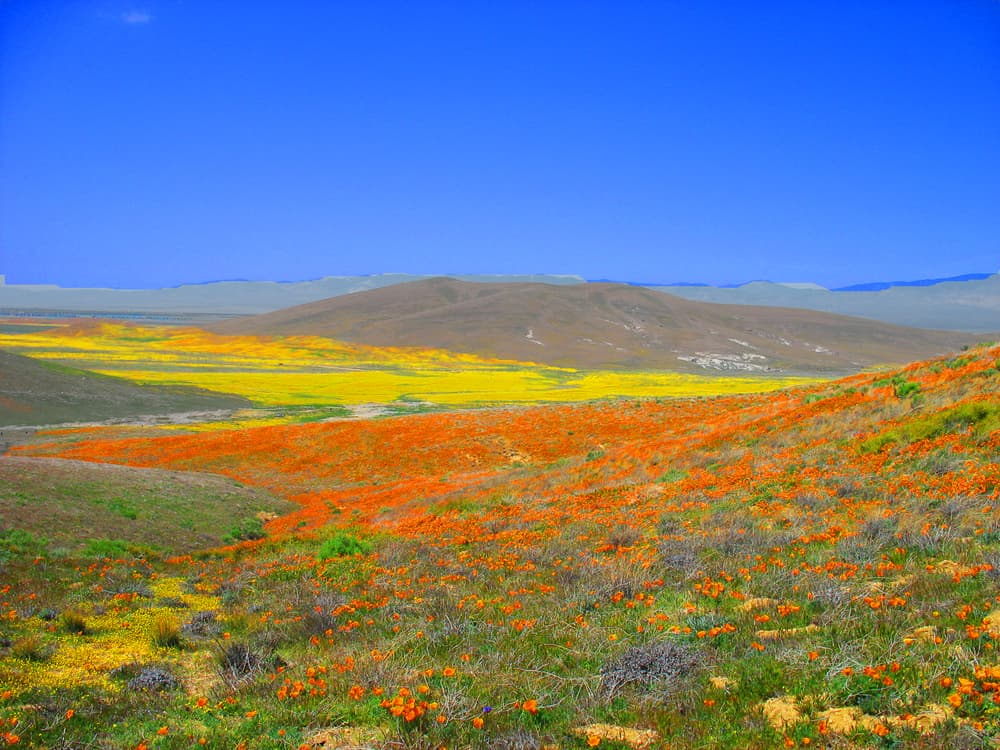
Spring (March–May). Hills are green, waterfalls in Yosemite build towards their late-spring peak and, after wet winters, the deserts and hillsides flower. Cities are mild and uncrowded outside Easter. Tioga Pass and Glacier Point Road in Yosemite are normally still closed until late May or June.
Summer (June–August). High season. Mountain roads and trails are open and the weather inland is hot and dry. The coast is cool, often foggy in the morning. Expect queues at park gates, full hotels and peak prices. The low deserts are dangerously hot.
Autumn (September–November). Warm, clear days on the coast, the grape harvest in Napa and Sonoma, and fewer families once schools return. Waterfalls are low or dry. This is the height of wildfire season, so keep an eye on fire and smoke reports.
Winter (December–February). The rainy season in the north and the ski season in the Sierra. Southern California is mild and bright between storms, the deserts are at their best, grey whales migrate along the coast and hotel prices in the cities drop. Mountain driving may require snow chains.
California month by month
| Month | What to expect | Best for |
|---|---|---|
| January | Rain in the north, snow in the Sierra, mild and often sunny in the south. | Skiing, deserts, whale watching, low city prices |
| February | Similar to January; almond blossom in the Central Valley late in the month. | Deserts, skiing, Yosemite’s “firefall” light on Horsetail Fall in good conditions |
| March | Warming up. Desert wildflowers in good years; snow still deep in the mountains. | Death Valley, Joshua Tree, Palm Springs |
| April | Green hills, mild cities, waterfalls building. Spring-break crowds at theme parks. | Cities, wine country, coastal drives |
| May | Waterfalls at or near peak. Coastal “May gray” begins. High mountain roads still closed. | Yosemite Valley, Sequoia, San Francisco |
| June | Start of high season. “June gloom” on southern beaches; Tioga Pass usually opens. | Sierra hiking, Lake Tahoe, long daylight |
| July | Hot inland, foggy in San Francisco, busy everywhere. Deserts extremely hot. | High Sierra, beaches, Lake Tahoe |
| August | Much the same as July; wildfire risk rising. Harvest starts in wine country. | Mountains, beaches, family travel |
| September | Often the best month: warm coast, clear San Francisco, thinner crowds after early September. | Coast road, cities, wine harvest |
| October | Warm days, cool nights, autumn colour in the Eastern Sierra. Peak fire season. | Almost everything except waterfalls |
| November | First rain and snow; Tioga Pass usually closes. Deserts turn pleasant. | Deserts, cities, quiet national parks |
| December | Festive lights, ski season under way, short days. Busy at theme parks over the holidays. | Skiing, deserts, Southern California cities |
Seasonal closures to plan around
- Tioga Road (Highway 120 across Yosemite) and Glacier Point Road close for winter, usually from around November until late May or June. Dates depend entirely on snowfall.
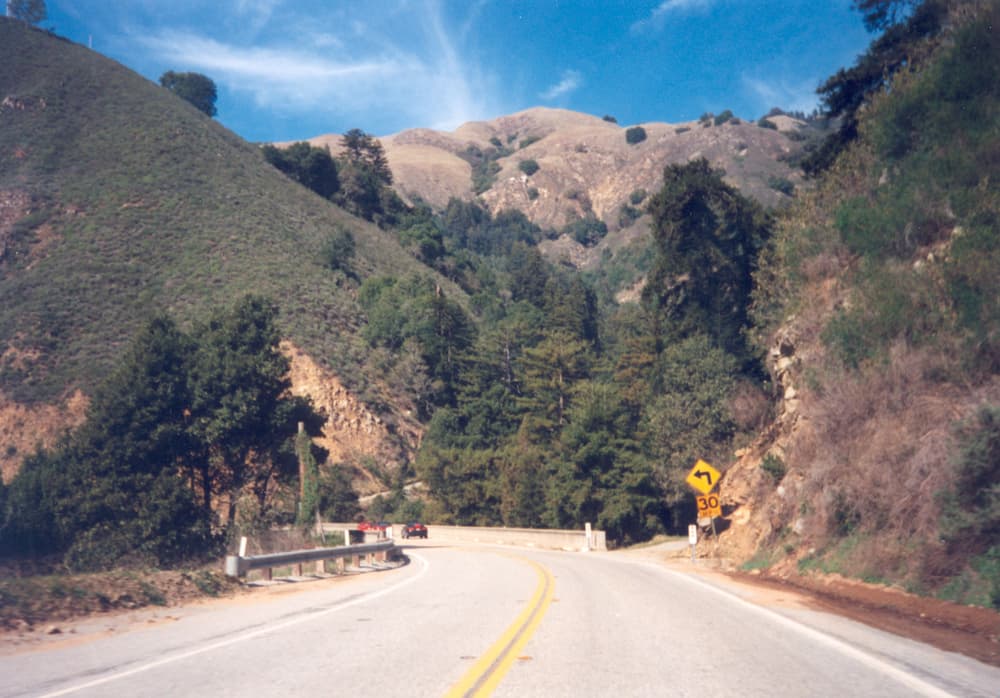
- Highway 1 through Big Sur can close without much warning after winter storms and landslides, sometimes for months. Check Caltrans before you go.
- The Generals Highway between Sequoia and Kings Canyon, and the road into Kings Canyon itself, close or require chains in winter.
- In the Sierra, including on the roads to Lake Tahoe, you may be legally required to carry and fit snow chains between November and April.
- Some desert attractions and visitor services reduce hours in summer because of the heat.
Festivals and events
- 1 January: Rose Parade, Pasadena
- January or February: Chinese New Year Parade, San Francisco
- April: Coachella Valley Music and Arts Festival, Indio (hotel prices around Palm Springs rise sharply)
- June: San Francisco Pride
- July: Comic-Con International, San Diego; Independence Day fireworks statewide on 4 July
- August: Monterey Car Week and the Pebble Beach Concours d’Elegance; Old Spanish Days Fiesta, Santa Barbara
- August to October: Grape harvest in Napa and Sonoma
- October: Fleet Week, San Francisco
- Late November: Thanksgiving — one of the busiest travel weeks of the year
Event dates shift from year to year; confirm them before you book around one.
Weather and timing FAQs
What is the best month to visit California?
September, for most trips: the coast and San Francisco are at their warmest and clearest, the high mountain roads are still open and the summer crowds have thinned.
When is wildfire season?
Fires can happen in any month, but the main season runs from about July to November, peaking in September and October. Most visitors are not affected; stay flexible and check official updates.
What is June gloom?
A layer of low coastal cloud that covers Southern California’s beaches on many late-spring and early-summer mornings. It usually burns off by afternoon and does not reach far inland.
When can I drive Tioga Pass?
Normally from late May or June until the first big snowfall in October or November. Opening and closing dates vary widely; check the Yosemite road status before planning a route over it.
Is winter a good time for California?
Yes for the deserts, Southern California’s cities, skiing and whale watching. It is the wrong season for the high Sierra roads and for guaranteed beach weather.