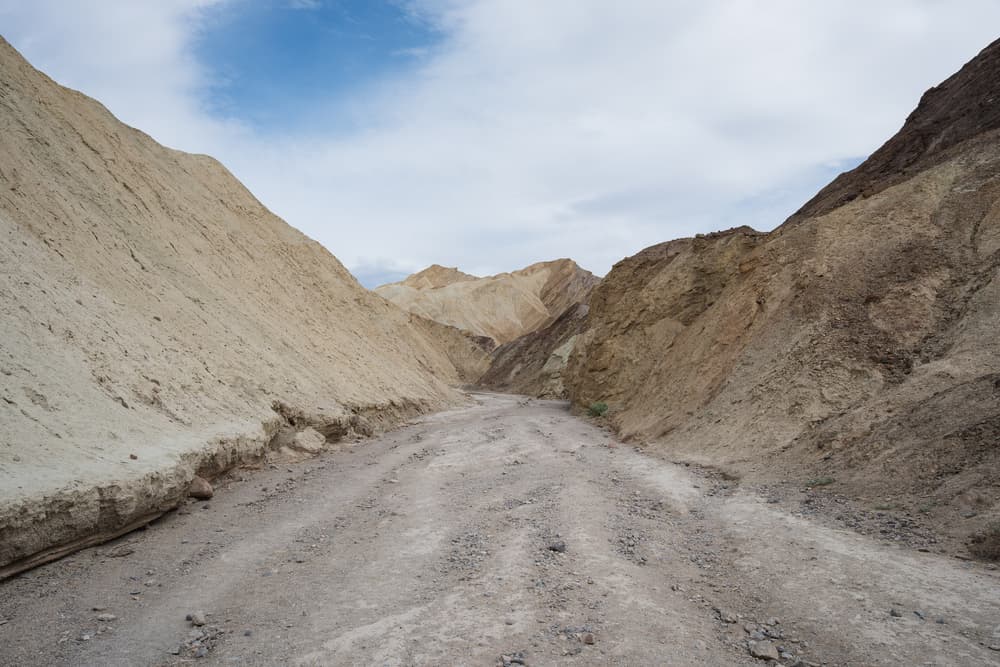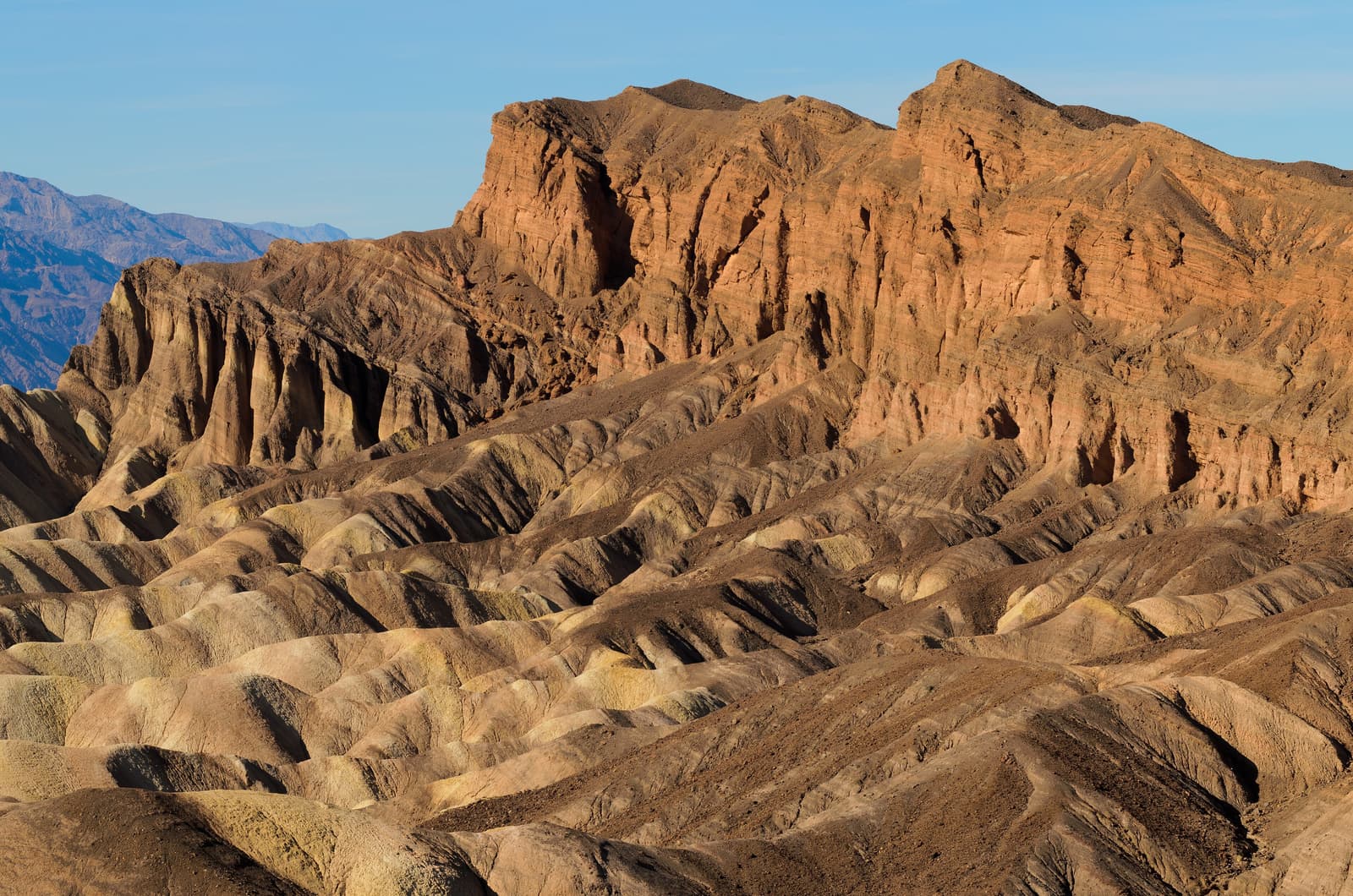
Death Valley National Park is the largest national park in the contiguous United States, covering more than 13,000 km² (about 5,200 square miles) of desert basins and mountain ranges on California’s eastern edge. At its centre is a long, narrow valley whose floor drops to 86 m (282 ft) below sea level at Badwater Basin, while Telescope Peak rises to 3,366 m (11,043 ft) directly above.
It is a place of extremes. Summer temperatures regularly pass 45°C (113°F) and the highest air temperature ever reliably recorded on Earth was measured here. From late autumn to early spring, though, the climate is delightful and the low sun brings out the colours of the rock. The park is about two hours’ drive from Las Vegas and four to five from Los Angeles.
Highlights
- Sunrise over the badlands at Zabriskie Point
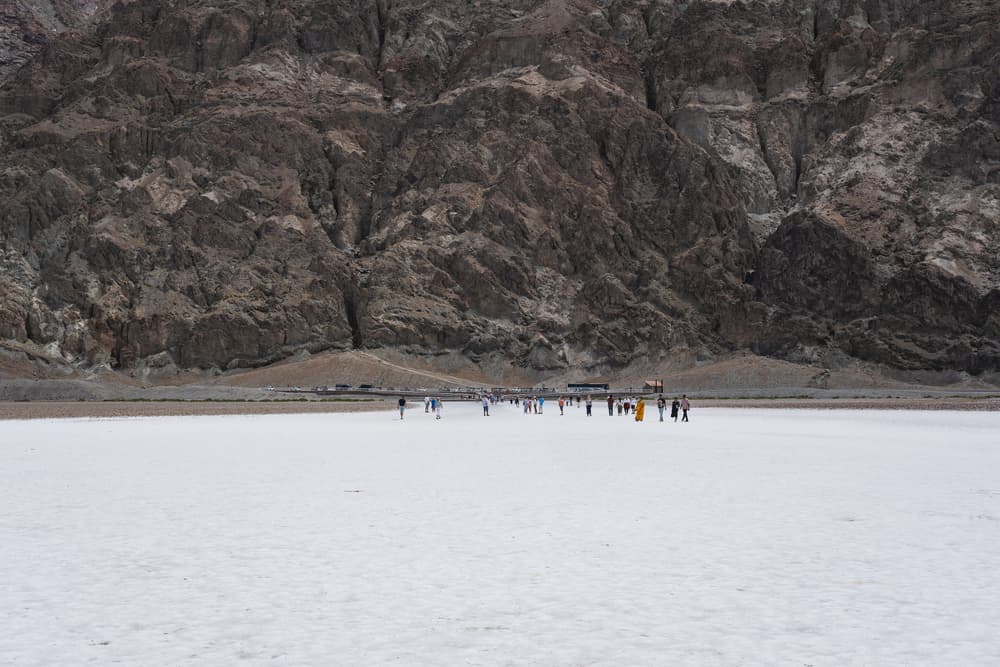
- Walking out onto the salt flats at Badwater Basin
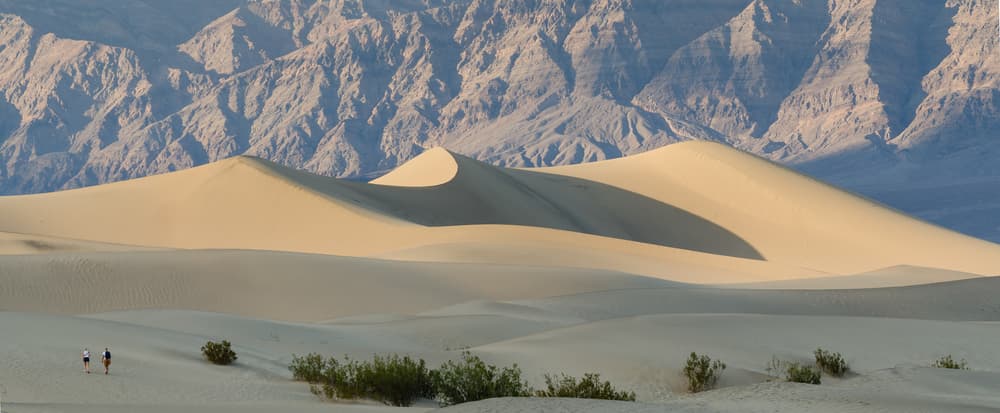
- The Mesquite Flat Sand Dunes at dawn or dusk
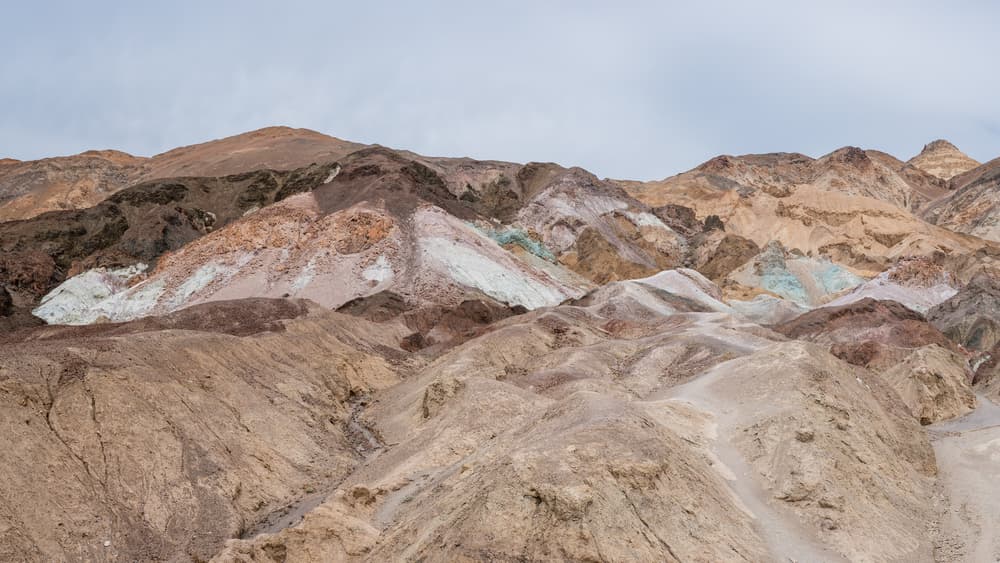
- Mineral colours along Artists Drive
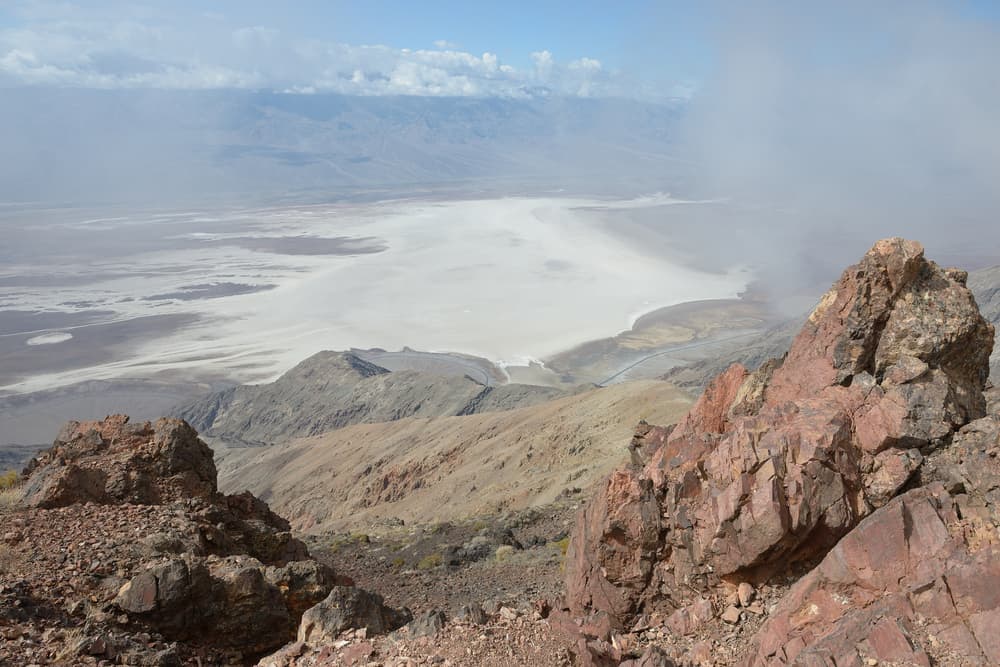
- The view from Dante’s View, 1,700 m above the valley floor
- Some of the darkest night skies in the United States
Plan your time in Death Valley
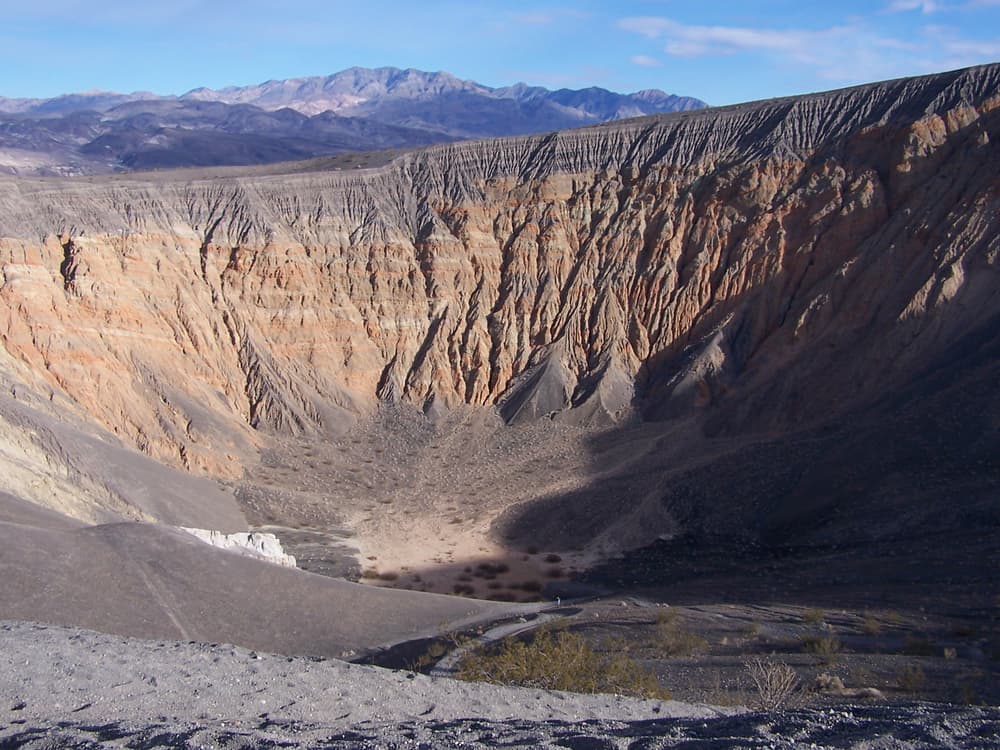
One long day covers the main sights near Furnace Creek: Zabriskie Point, Badwater, Artists Drive, the dunes and Dante’s View. Two days allow sunrise and sunset in different places and a trip north to Ubehebe Crater. Distances inside the park are large — Furnace Creek to Ubehebe Crater is about 90 km (56 miles) — so plan fuel and water carefully.