Routes at a glance
| From | How | Time | Good to know |
|---|---|---|---|
| San Diego airport (SAN) | Taxi or ride-hailing | 10–15 min | Short, inexpensive ride to downtown |
| San Diego airport (SAN) | City bus | 15–20 min | Frequent service to downtown from the terminals |
| Los Angeles (Union Station) | Pacific Surfliner train | About 3 hours | Runs beside the ocean south of San Juan Capistrano |
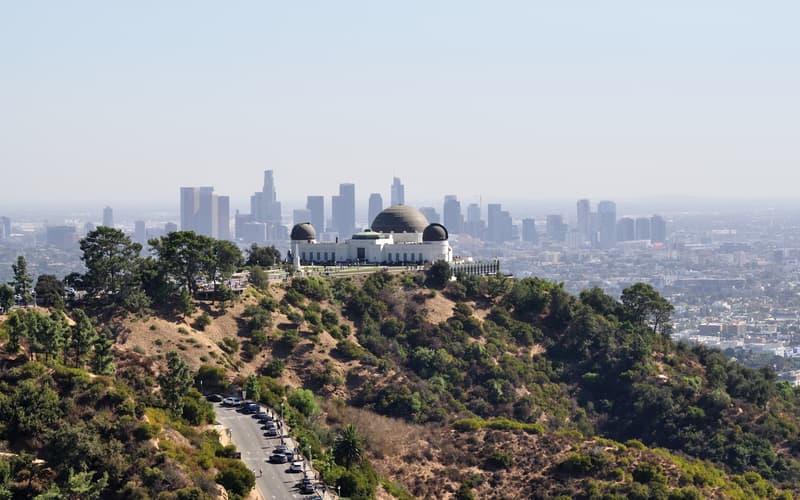
| Los Angeles | Car | 2–2.5 hours | Via I-5; often slower |
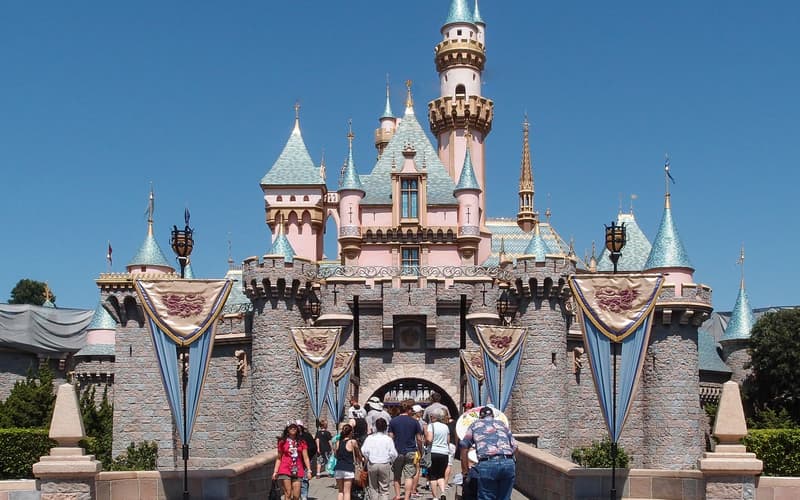
| Anaheim | Car or train | 1.5–2 hours | Surfliner stops at Anaheim station |
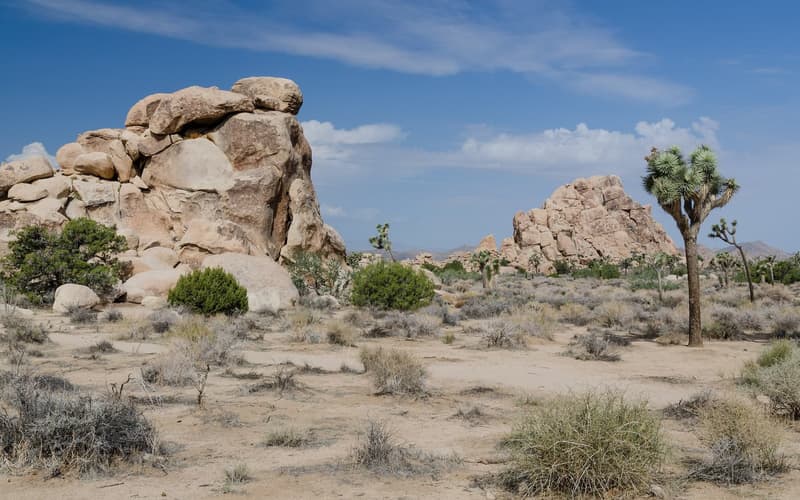
| Palm Springs | Car | About 2.5 hours | Via mountain or inland freeway routes |
| Tijuana, Mexico | Trolley to the border | About 45 min | Passport required; allow time to cross back |
Arriving by train
The Pacific Surfliner ends at the Santa Fe Depot, a handsome 1915 station at the edge of downtown, a short walk from the waterfront and beside a trolley stop. Reserve a seat on busy weekends; services can be disrupted by track works along the coastal bluffs, so check before you travel.
Arriving by car
Interstate 5 runs straight into the city from Los Angeles and Orange County. Downtown hotels usually charge for parking; Balboa Park has large free car parks. If you are continuing to Palm Springs, the mountain route through Julian is slower but scenic.
Getting around locally
- The San Diego Trolley (light rail) links downtown with Old Town, Little Italy, the university area near La Jolla and the Mexican border at San Ysidro.
- Buses run from downtown to Balboa Park and the zoo in about 10 minutes.
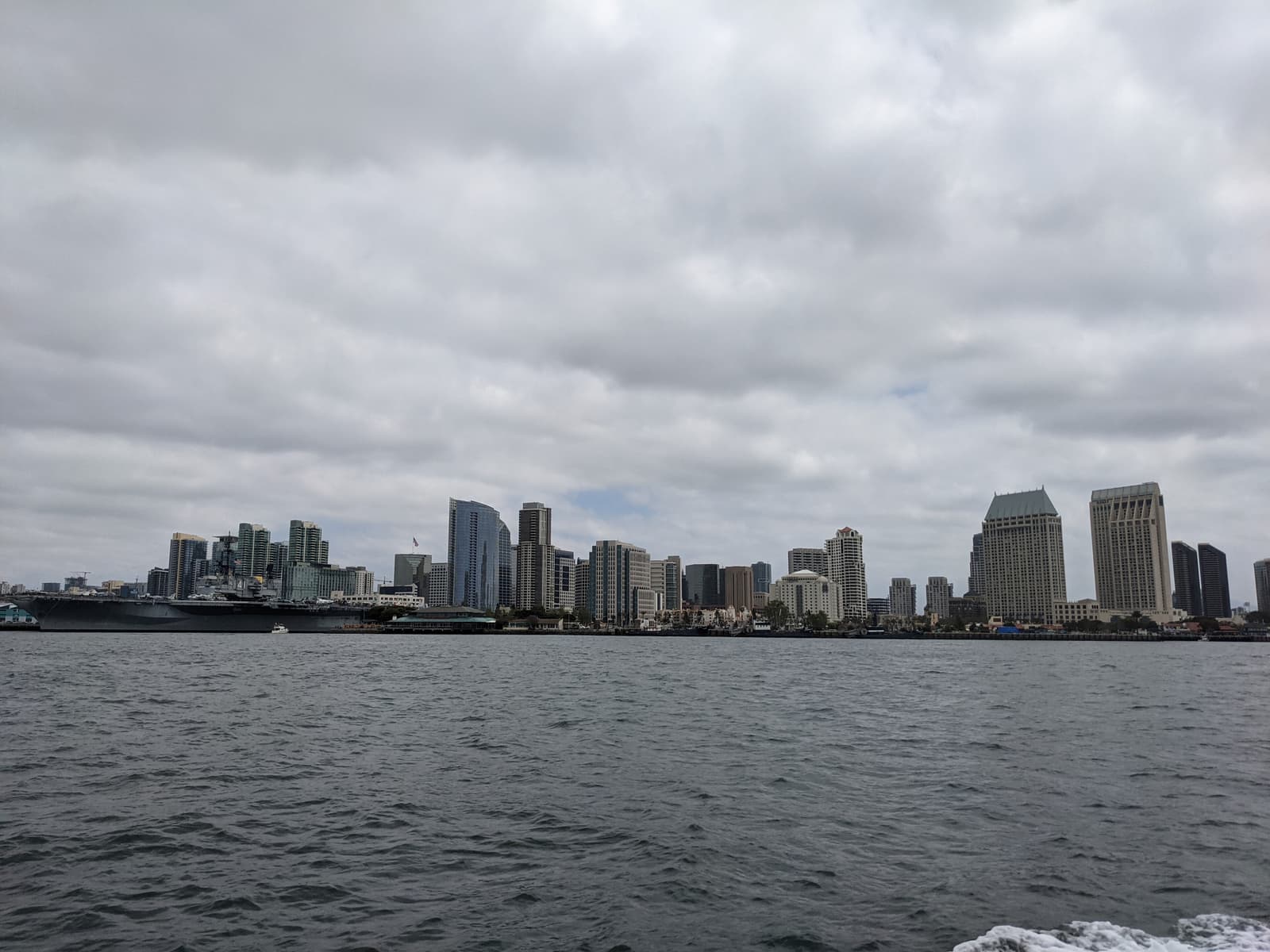
- Passenger ferries cross the bay from the Broadway Pier area to Coronado.
- A car is the easiest way to reach La Jolla, Torrey Pines and the beach districts.
- Downtown, the Gaslamp Quarter, Little Italy and the Embarcadero are all walkable.